
Private Mobile Safaris in Zambia
Your own vehicle, your own guide and chef, and the freedom to reach wild places most visitors never see, from the Shoebill swamps of Bangweulu to the remote valleys of North Luangwa.
What is a private mobile safari?
Instead of flying between lodges, you travel by road with your own guide in a private safari vehicle, moving from park to park at your own pace. Our chef travels with us and cooks your meals, and we stay in a mix of wild campsites, community camps and comfortable lodges.
It’s the way safaris used to be: slower, more personal and far more adventurous. It’s also the only practical way to combine Zambia’s remote parks in one journey.
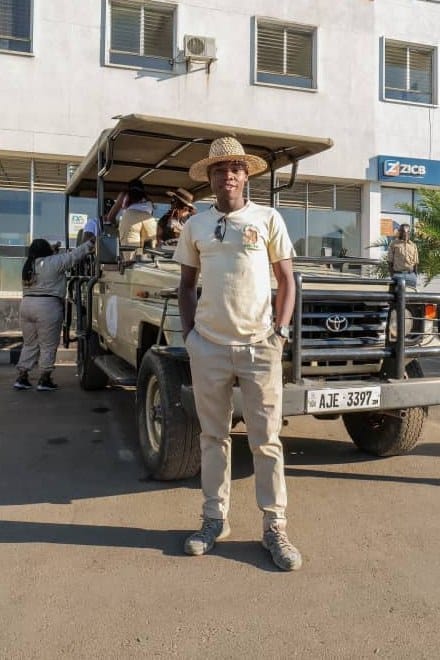
Your guide is Bright Sililo, who has spent six years guiding and planning mobile safaris across Zambia and its neighbors.
Why travel this way?
Reach the remote parksBangweulu, North Luangwa, Luambe and Liuwa are hard to combine by air. By road, they link together naturally.
Private and flexibleNo shared vehicles, and no fixed timetable. Stay longer at a sighting, or head back early for a rest.
Room for your gearNo light-aircraft baggage limits, so hard cases, tripods and long lenses are welcome.
Better value on long tripsRoad travel costs far less than flying between lodges, especially over two weeks or more.
Timed to the seasonWe plan your route around Zambia’s wildlife windows: Shoebills, bee-eaters, bats and migrations.
The real ZambiaVillages, markets and roadside stops along the way, a side of the country most safari visitors never see.
A typical day on safari
Every day is different, but most follow the rhythm of the bush.
05:30Coffee, tea and a light snack at first light.
06:00Morning game drive or walk, when the air is cool and wildlife is most active.
11:00Back at camp for brunch or lunch prepared by our chef.
12:00Rest through the heat: read, nap, charge batteries or sort photos.
15:30Afternoon game drive, ending with a sundowner.
19:00Dinner around the fire, sharing the day’s sightings.
On travel days, we set off early and treat the drive as a game drive where possible, with a picnic lunch along the way. On long trips, we also build in rest days, with no activities at all.
Where you stay
Most mobile safaris combine three styles of accommodation, so wild nights are balanced with comfort.
Wild campsites
Simple, self-sufficient camping in the heart of the wilderness, with our own tents and camp beds, and a basic toilet. The most memorable nights of many trips.
Community and tented camps
Safari tents with proper beds, often with en-suite bathrooms, run by local communities or small owners, and usually in beautiful riverside spots.
Comfortable lodges
Chalets with hot showers, reliable power and good food, ideal for rest stops on long journeys, and for recharging everything.
Prefer more comfort? We can replace camping nights with safari tents or lodges wherever options exist. On a long trip, the extra cost is often small.
Camp life: what to expect
We would rather you know exactly what to expect than be surprised. Here is an honest picture.
| What to expect | |
|---|---|
| Beds | Proper beds in tented camps and lodges; camp beds or mattresses at wild campsites. |
| Toilets and showers | En-suite in most camps and lodges; at wild campsites, a shared or basic toilet, and hot water heated over the fire. |
| Meals | Three meals a day cooked by our chef. Fresh food is plentiful after each restock; in the most remote areas, we rely more on long-life ingredients. |
| Drinks | Water, tea and coffee throughout. Soft drinks, beer and wine can be bought when we restock. |
| Power and charging | Reliable in lodges and some camps; limited or solar-only in remote camps. Bring spare batteries and a power bank or power station. |
| Signal and Wi-Fi | Available in towns and some lodges; weak or absent in remote parks. A chance to switch off. |
Is a mobile safari right for you?
It’s perfect if you…
- Love wilderness more than luxury
- Want to see remote parks and rare wildlife
- Enjoy long drives and seeing the country
- Are traveling for two weeks or more
- Are a birder or photographer with lots of gear
It may not suit you if you…
- Need reliable Wi-Fi and power every night
- Prefer not to spend long days on bumpy roads
- Have only a few days (a fly-in safari may suit you better)
- Aren’t comfortable with basic facilities on some nights
Shorter on time? See our Zambia safaris for fly-in and lodge-based options.
Sample mobile safaris
15-Day Shoebill, Leopard and Wilderness Safari
Length15 days · June – July
Bangweulu’s Shoebills, the wild Luangwa Valley and Kafue, on one road journey.
Zambia’s Grand Migration
Length17 days · November – December
Liuwa’s wildebeest and Kasanka’s bats: two great migrations in one trip.
Your own expedition
Some of our guests travel for three or four weeks, combining Bangweulu, North and South Luangwa and the Lower Zambezi, with rest days built in, and even a short flight to skip the longest drive. Tell us what you would love to see, and we will design your route around the seasons.
Pricing and booking
Mobile safaris are priced per person per day, depending on the season, group size and the mix of camps and lodges. As a guide, most of our mobile safaris cost from around US$250 per person per day.
Every proposal shows clear, transparent per-person pricing, so you know exactly what you are paying for.
- 1. Tell us your plans through our quote form or on WhatsApp.
- 2. Receive your proposal, with a detailed day-by-day itinerary.
- 3. Confirm with a first payment, which secures all your camps and flights.
- 4. Pay the balance before travel, and receive the camps’ confirmations for your records.
Mobile safaris: frequently asked questions
How many people travel on a mobile safari?
Our mobile safaris are private, usually for 2 to 6 guests in one vehicle. For larger groups, or when interests differ, we add a second vehicle.
Who comes with us?
Your guide drives and leads the safari, and our chef travels with the group to cook all your meals. On some trips, a second vehicle carries the luggage, supplies and camping equipment.
How long are the drives?
Some travel days are long, up to 7 or 8 hours on rough roads, especially in the remote north. We always tell you honestly how long each drive takes, and treat drives as game drives wherever we can.
Can I charge my camera batteries?
Yes, in lodges and most camps, but power can be limited in remote areas. We recommend spare batteries and a power bank or portable power station, and we will tell you in advance which nights have limited power.
Is it safe?
Yes. Your guide knows the parks, the wildlife and the roads well, and we follow park rules and safe practices in camp. We recommend travel insurance with medical evacuation cover for every trip.
What is the best time for a mobile safari?
June to October is the main season, when roads are dry and remote parks like North Luangwa are open. Some routes, such as the Grand Migration, are designed for November and December.
Ready for a real adventure?
Tell us when you would like to travel and what you would love to see. We will design a private mobile safari around you, and the seasons.