

The Okavango Delta: Africa’s Great Inland Wonder
A UNESCO World Heritage Site where the desert floods in the dry season: one of the last great wetland wildernesses on Earth, and one of Botswana’s most exclusive safari destinations.
The Okavango Delta at a glance
One of the world’s largest inland deltas, where a river from Angola spreads across the Kalahari and never reaches the sea.
SizeFrom around 6,000 km² in the driest months to over 15,000 km² at peak flood
UNESCOWorld Heritage Site since 2014, the 1,000th site listed
Best known forMokoro safaris, the “reverse flood” and outstanding wildlife
Best timeJune – October for wildlife and water; November – April for birding
Getting thereFly into Maun, then by light aircraft into the Delta
Book aheadDry-season camps often fill 9–12 months in advance
The “reverse flood”
Here’s what surprises most first-time visitors: the Delta floods in Botswana’s dry season, not its rainy one.
Rain falls in the Angolan highlands between November and April. That water takes months to travel down the Okavango River before spreading across the Delta, so the flood peaks around May to August, just as the rest of Botswana dries out.
Why it matters
At the very time waterholes elsewhere are drying up, the Delta is at its fullest. Wildlife pours in from the surrounding dry country, making the Delta one of the richest wildlife areas in Africa during the dry season.
The Okavango Delta, month by month
Every season shows a different side of the Delta. Choose by what matters most to you: water, wildlife, birds or value.
Swipe sideways to see every month.
| Wildlife event | Jan | Feb | Mar | Apr | May | Jun | Jul | Aug | Sep | Oct | Nov | Dec |
|---|---|---|---|---|---|---|---|---|---|---|---|---|
| Floodwaters at their highestThe Delta | Good | Peak | Peak | Good | ||||||||
| Mokoro and water activitiesThe Delta | Good | Good | Good | Good | Good | Good | ||||||
| Big predator sightingsAround permanent water | Good | Good | Good | Peak | Peak | |||||||
| Green-season birding and newbornsThe Delta and its fringes | Good | Good | Good | Good | Good | Good | ||||||
| Quiet shoulder season, better valueThe Delta | Good |
Good time to goPeak
Guide’s tip: September and October bring some of the best predator sightings of the year, as the heat concentrates wildlife around permanent water. Expect hot, dusty days, but dramatic action.
The wildlife
Permanent water in an otherwise dry landscape draws an extraordinary variety of wildlife. Lion, leopard, elephant and buffalo are all here, alongside one of Africa’s most successful populations of African wild dog. Hippos and crocodiles fill the channels, while giraffe, zebra and many antelope move across the drier islands and fringes.
The birdlife is exceptional, with over 400 species recorded, including Pel’s Fishing Owl, wattled cranes and the kori bustard, one of the heaviest flying birds in the world.

A note on rhinos: rhinos are not a reliable sighting in the Delta. After a severe poaching crisis, Botswana moved many of its remaining rhinos elsewhere for their protection, so we never promise them here.
Mokoro safaris and other activities
Mokoro safaris
The classic Delta experience: gliding silently through the reeds in a traditional dugout canoe, poled by a local guide, at water level with hippos, crocodiles and birds.
Game drives
Explore the islands and floodplains by vehicle, following the big cats, elephants and wild dogs.
Walks and night drives
Guided bush walks on the islands and, at some camps, night drives to look for nocturnal wildlife.
Getting there and practical tips
Getting there
Almost every Delta trip starts in Maun, Botswana’s safari gateway. From there, most camps are reached by light aircraft, since the interior is too wet and remote for roads for much of the year.
Luggage limits
Light aircraft usually allow around 20 kg per person, in a soft-sided bag. Hard suitcases usually aren’t permitted, so pack accordingly.
Health
The Delta is a malaria area. See a travel clinic before you go, and use repellent and covered clothing in the evenings.
Your Okavango Delta safari with Brightpath
We combine the Delta with Chobe, and with Khwai or Savuti, for a complete picture of Botswana’s finest wilderness.
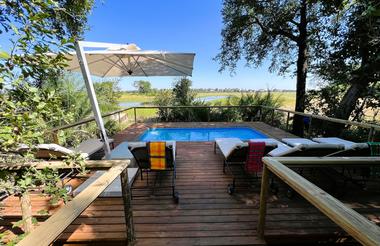
Classic Tented Botswana Safari
Length6 days
RouteChobe, Khwai and the Okavango Delta
A fully inclusive tented safari with scenic flights between camps.
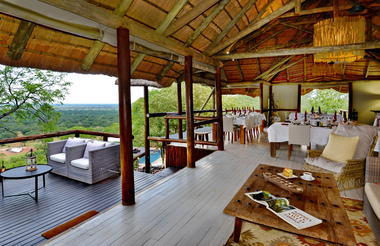
Chobe, Savuti and Okavango Delta
Length10 days, 9 nights
RouteChobe, Savuti and the Okavango Delta
Botswana’s three great safari regions on one fully inclusive journey.
Okavango Delta: frequently asked questions
When is the best time to visit the Okavango Delta?
June to October for wildlife and water activities, with the flood at its highest around June to August. November to April is best for birding, lush scenery and lower prices.
Why does the Delta flood in the dry season?
The water comes from rain that falls in Angola months earlier. It takes that long to travel down the Okavango River, so the flood reaches the Delta in Botswana’s dry winter.
How do I get to the Okavango Delta?
Fly into Maun, then take a light aircraft to your camp. Pack in a soft bag of around 20 kg.
Will I see rhinos in the Okavango Delta?
Don’t expect them. Most of the Delta’s rhinos were moved elsewhere for protection, so they are not a reliable sighting.
How far ahead should I book?
Dry-season camps (June to October) often fill 9–12 months in advance. Green-season trips can usually be arranged 3–6 months ahead.
Explore more of Botswana
Ready to explore the Okavango Delta?
Tell us your dates and what you would love to see. We will match you to the right camps and season, and book early for the best choice.